
We put Tesla FSD 11.4.3 head-to-head against Waymo and Cruise in a real-world race through San Francisco — here's exactly what happened, and what it tells you about where self-driving technology actually stands today.
The Setup: Tesla FSD vs. Waymo vs. Cruise in SF
A few friends and I wanted to settle a question we had been debating for months: which autonomous vehicle system actually performs best on real city streets? Not in a controlled test environment. Not on a closed course. In the actual streets of San Francisco — one of the most challenging urban driving environments in the world, with steep hills, aggressive cyclists, double-parked cars, and pedestrians who treat red lights as suggestions.
We chose three cars: a Tesla Model Y running Full Self-Driving (FSD) Beta 11.4.3, a Waymo One robotaxi, and a Cruise autonomous vehicle. The race course: McKinley Square in Potrero Hill to the Walt Disney Family Museum at the Presidio — roughly 6 miles cutting through the heart of the city. Same start time. First car to arrive wins.
The Start: Switchbacks Sort the Field Immediately
The race began on a steep, winding switchback road leaving McKinley Square — and it immediately separated the contenders. Tesla FSD and Waymo both handled the complex geometry without hesitation, navigating confidently. Cruise, however, flagged the switchback as outside its comfort zone and rerouted to an alternate path, adding distance and time right from the opening minute.
This was notable. Waymo has logged millions of miles specifically in San Francisco and has the city mapped in extraordinary detail. Tesla FSD uses a camera-only neural network trained on real-world driving footage — no pre-mapped city data. That it matched Waymo on a tricky switchback was a genuine statement about how far Tesla's vision-only approach has come in recent updates.
The Middle: Freeway Access Changes Everything
As the race moved through the city's arterial streets, the critical strategic difference emerged. Tesla FSD was permitted to use the freeway. Waymo and Cruise, at the time of this test, were restricted to surface streets within their approved geofenced operating zones.
This was not a technicality — it was a fundamental capability gap. Tesla FSD, running on the owner's personal vehicle, can operate on California freeways because it is classified as a driver assistance system with a licensed human in the driver's seat. Waymo and Cruise are fully driverless and operate only within their geofenced zones in select neighborhoods.
By jumping on the freeway for a stretch, our Tesla shaved significant time off the route. Waymo navigated the surface streets with impressive smoothness, rarely hesitating, but the longer distance made the time deficit difficult to close.
The Finish: Tesla First, Waymo Second, Cruise Third
Final result: Tesla FSD won, Waymo came in second, Cruise finished third. But raw finishing order undersells what was genuinely interesting about this comparison.
Waymo was the more polished experience on city streets. Rides felt deliberate and predictable — no phantom braking, no unusual lane positioning. It rides like a vehicle trained specifically on San Francisco, because it has been. Remove the freeway leg, and the result might have been different.
Tesla FSD 11.4.3 impressed for a different reason: it runs a general-purpose neural network without city-specific maps, yet navigated an unfamiliar route confidently enough to beat a purpose-built robotaxi on a real course. The software has matured significantly since earlier versions.
Cruise showed the clearest limitations. Rerouting around the switchback cost time it never recovered, and its surface-street performance felt more conservative than Waymo throughout.
What This Means for Tesla Owners
If you own a Tesla Model 3 or Model Y and are weighing whether FSD is worth the subscription, this test offered a useful data point. FSD 11.4.3 handles complex urban environments with noticeably more confidence than earlier builds. The end-to-end neural network architecture Tesla rolled out through 2023 reduced the jerky, rules-based behavior that made older versions frustrating in city traffic.
FSD is still a hands-on-wheel driver assistance system that requires your full attention. Waymo's fully driverless experience in its operating zone is a genuinely different product. They solve different problems. For Tesla owners who drive outside a robotaxi's geofenced zone — which is most of the country — FSD is the most capable autonomous option available today, and it continues to improve.
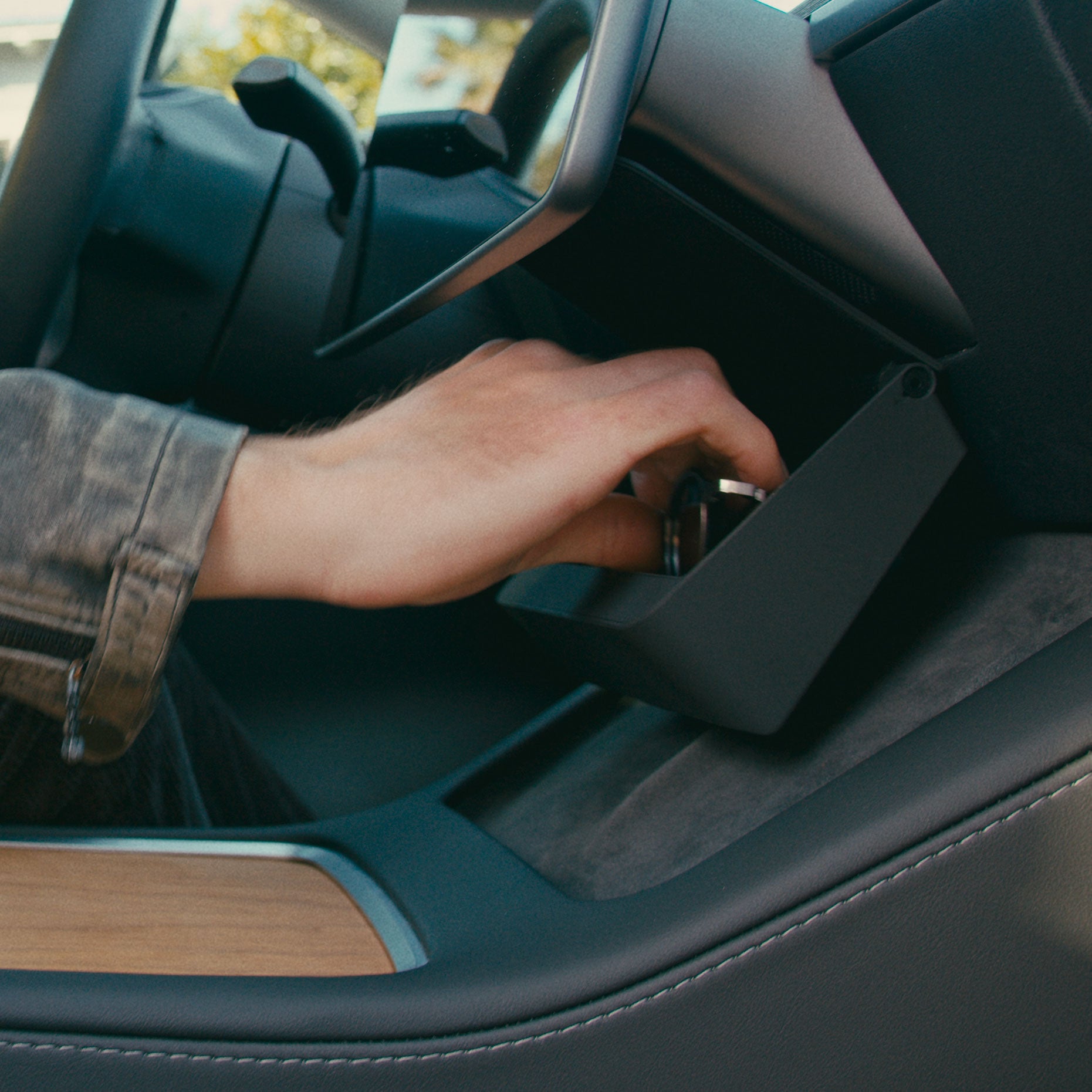
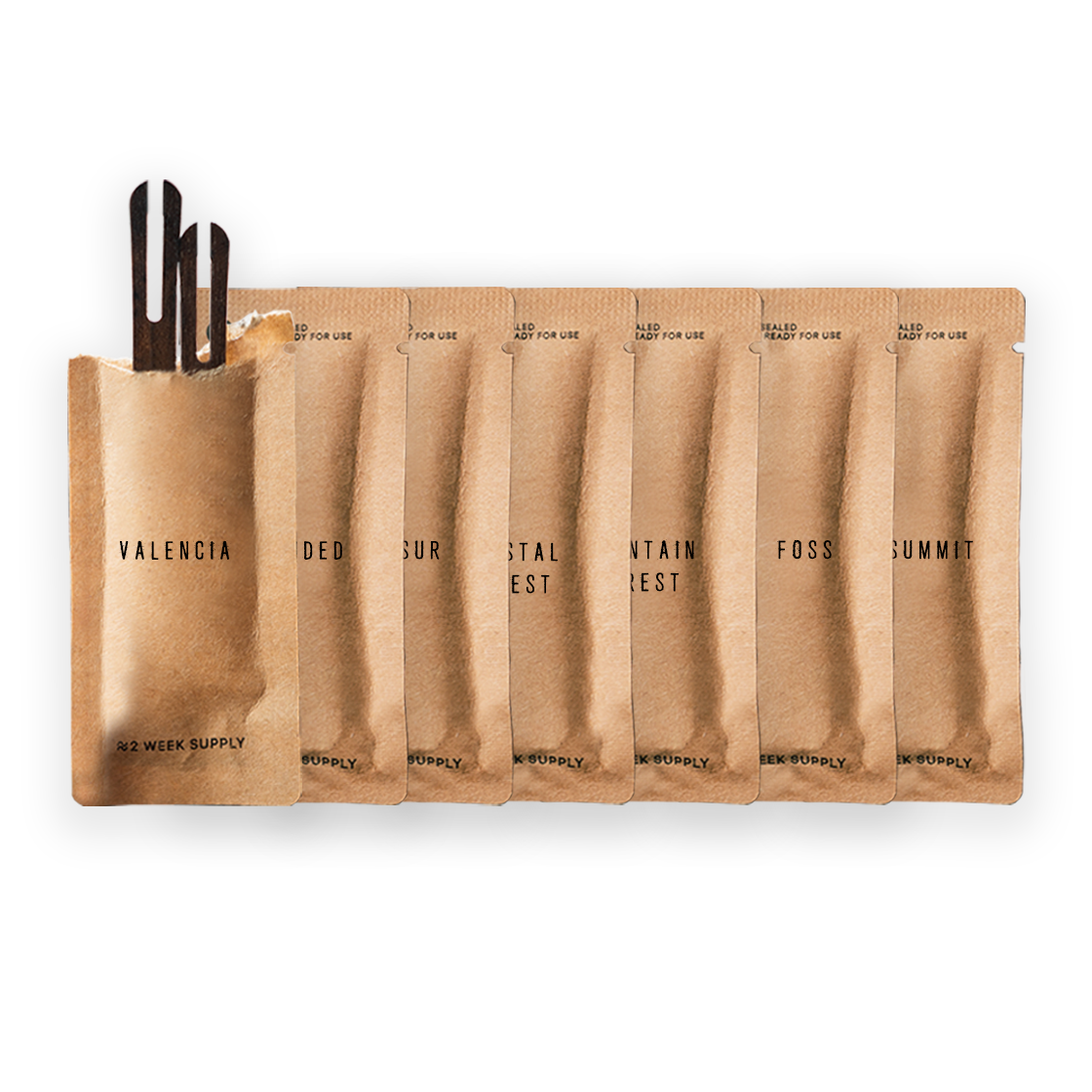
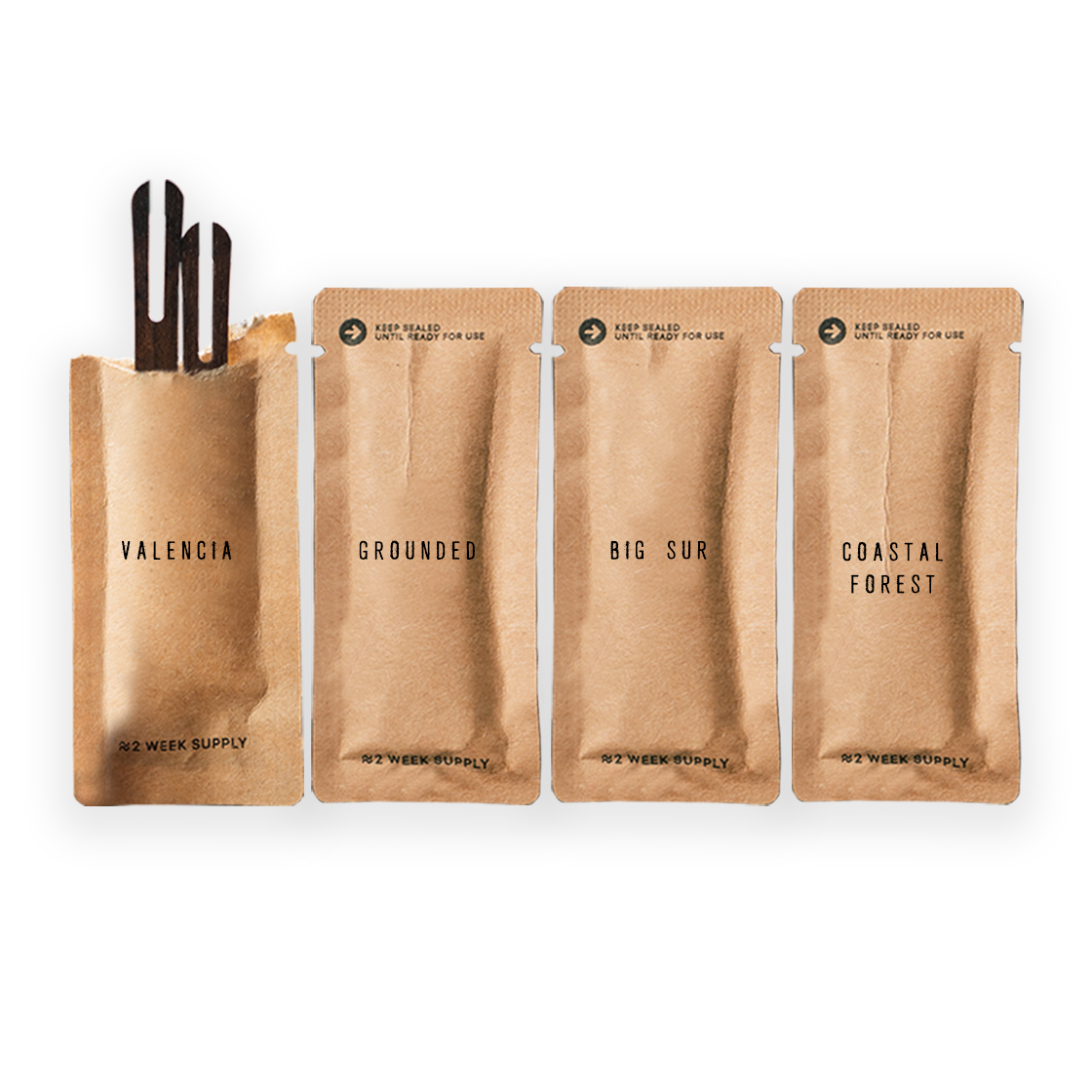
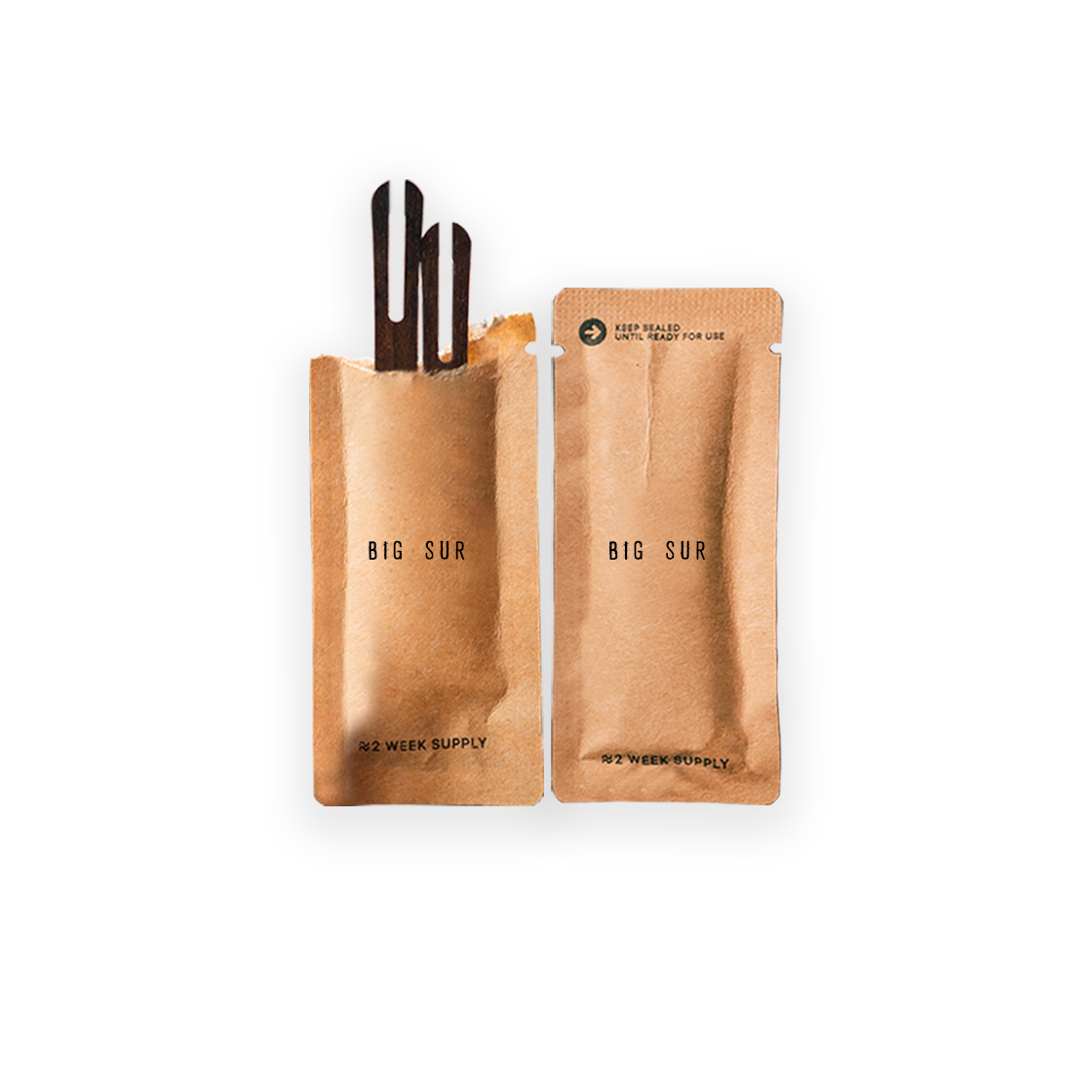
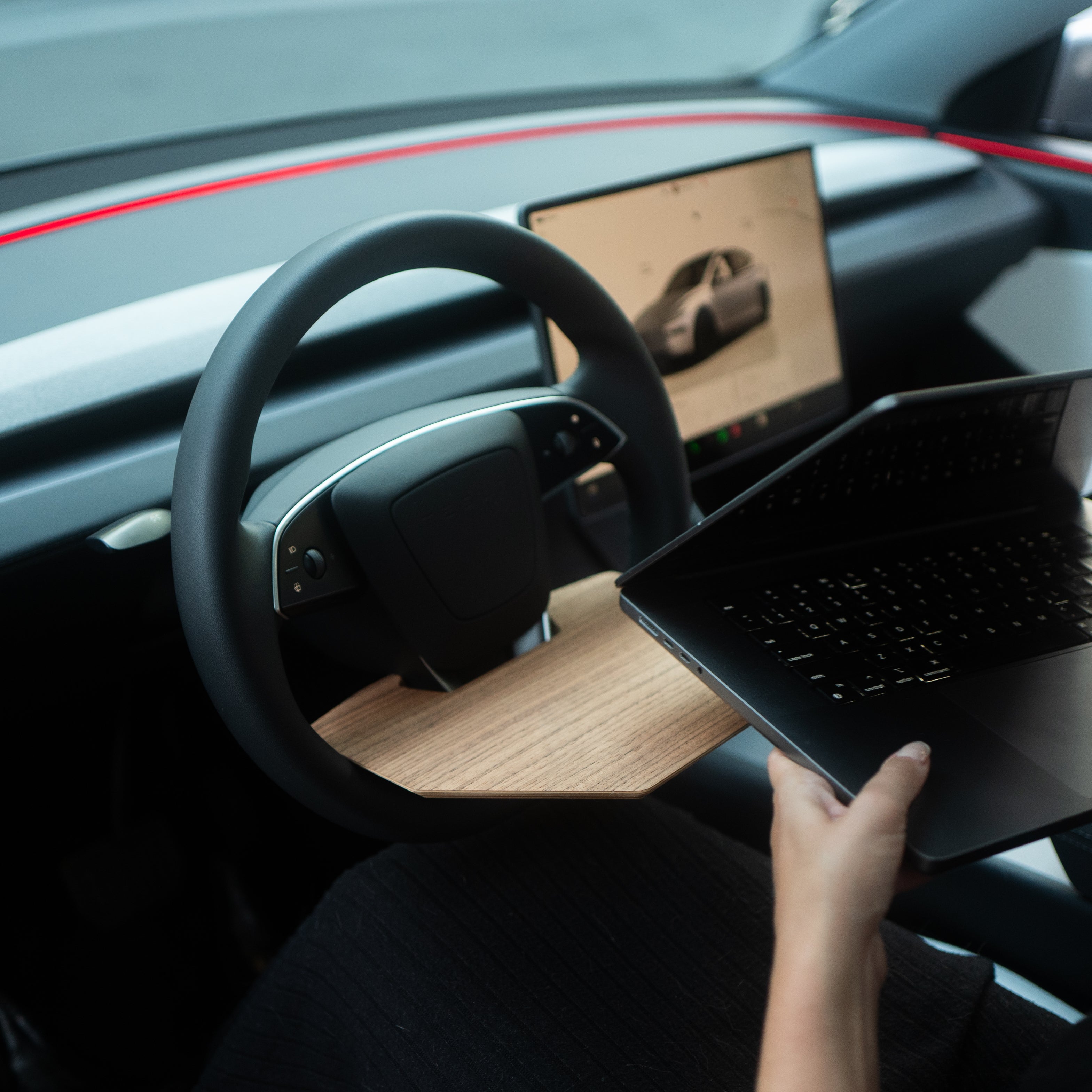
One thing we noticed throughout the test: the Tesla cabin experience itself matters more than people give it credit for. Spending an hour in autonomous mode in city traffic, the difference between a stale-smelling interior and a clean, fresh one is real. If you spend time in your Tesla with FSD engaged, the environment you create inside the car shapes the whole experience.
Common Questions About Tesla FSD vs. Waymo vs. Cruise
Is Tesla FSD better than Waymo?
It depends on what you are measuring. In our real-world San Francisco race, Tesla FSD finished first largely because it could use the freeway — a route not available to Waymo's geofenced robotaxi. On city surface streets, Waymo's ride quality was marginally smoother, reflecting its deep map data of SF. Tesla FSD is available nationwide on your personal vehicle; Waymo is fully driverless but only in select cities.
How does Tesla FSD 11.4.3 perform in city driving?
Tesla FSD 11.4.3 introduced the end-to-end neural network architecture, which significantly improved urban performance. In our test, it handled steep switchbacks, city intersections, and highway merges without driver intervention. The hesitation and phantom braking common in earlier FSD versions was largely absent.
Can Tesla FSD drive on freeways?
Yes. Tesla FSD operates on California freeways because it is classified as a driver assistance system with a human driver present. This is a meaningful advantage over fully driverless robotaxis like Waymo and Cruise, which are geofenced to specific surface-street zones in their approved cities.
What cities does Waymo operate in?
As of 2024, Waymo One offers public rides in San Francisco, Phoenix, and Los Angeles. Its service is geofenced to specific neighborhoods within those cities and is not available outside those zones, unlike Tesla FSD which works wherever Tesla vehicles are sold.